

Retail Technology
การเปลี่ยนผ่านระบบ POS ค้าปลีกในไทย: คู่มือสำหรับเชนหลายสาขา
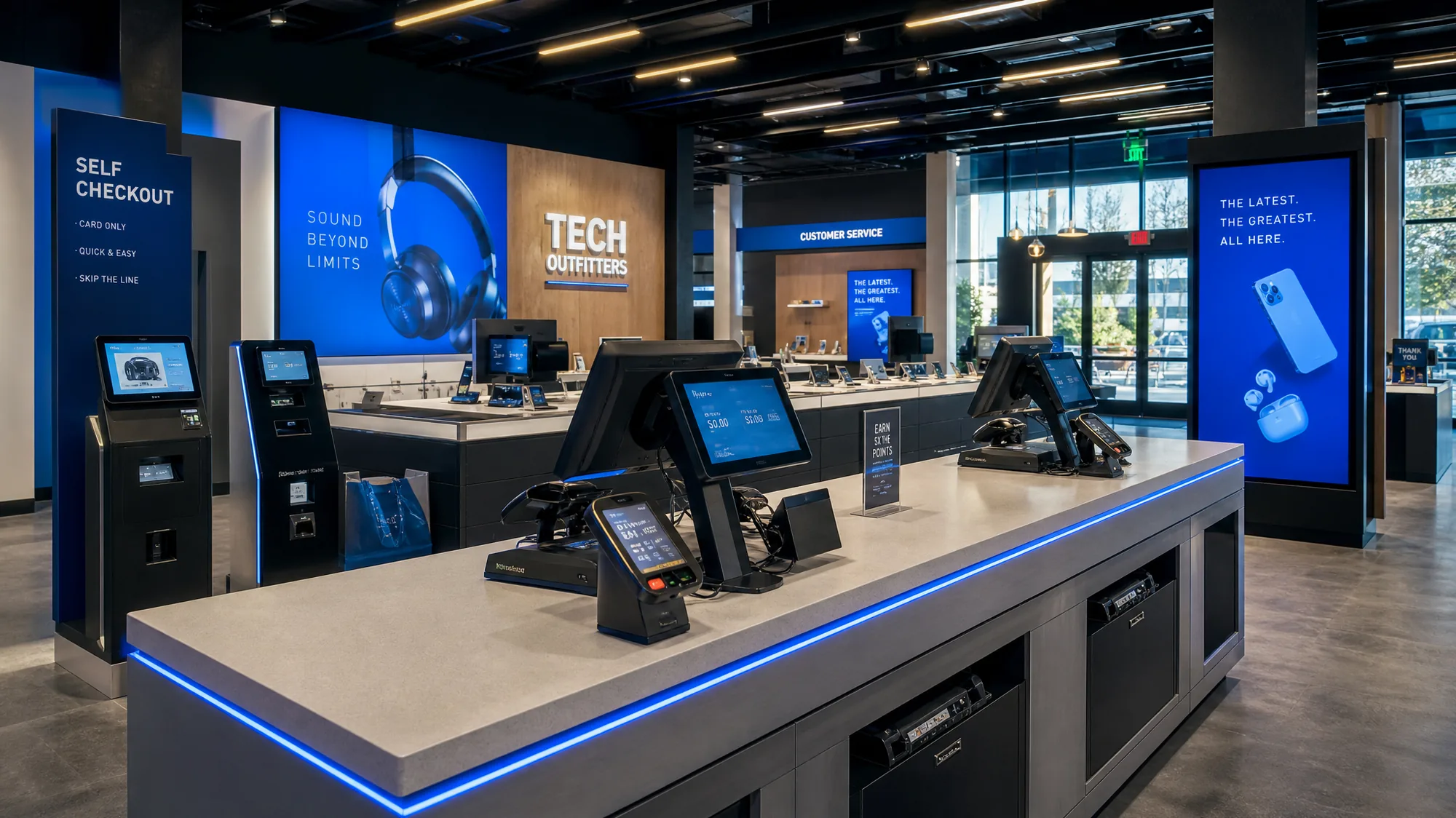
เมื่อ POS กลายเป็นคอขวดของธุรกิจ
เชนค้าปลีกและร้านอาหารส่วนใหญ่ในไทยไม่ได้ตัดสินใจเปลี่ยนระบบ POS เพราะอยากได้ซอฟต์แวร์ใหม่ แต่ตัดสินใจเพราะระบบเดิมค่อย ๆ กลายเป็นสิ่งที่ฉุดรั้งธุรกิจไว้อย่างเงียบ ๆ — การเปิดสาขาใหม่ต้องใช้เวลาหลายสัปดาห์กว่าระบบจะพร้อมใช้งาน สำนักงานใหญ่มองไม่เห็นยอดขายของวันนี้จากทุกสาขาจนกว่าจะถึงวันพรุ่งนี้ โปรโมชันต้องคีย์เข้าระบบทีละสาขา และ POS ไม่เชื่อมต่อกับโปรแกรมลอยัลตี้ เว็บไซต์ e-commerce หรือระบบบัญชี
การเปลี่ยนผ่านระบบ POS ค้าปลีก คือกระบวนการแทนที่ระบบที่กระจัดกระจายเช่นนั้นด้วยแพลตฟอร์มที่เชื่อมต่อถึงกัน — แพลตฟอร์มที่จุดชำระเงิน ข้อมูลลูกค้า ช่องทางออนไลน์ สินค้าคงคลัง และระบบวิเคราะห์ข้อมูล ใช้โครงสร้างหลักเดียวกันทั้งหมด เมื่อทำได้ดี นี่คือสิ่งที่ช่วยให้เชนเปิดสาขาได้เร็วขึ้น ตั้งราคาได้ฉลาดขึ้น และนำข้อมูลที่ตนเองสร้างขึ้นอยู่แล้วมาใช้ประโยชน์ได้จริง
"การเปลี่ยนผ่านธุรกิจค้าปลีก" หมายถึงอะไรกันแน่
หลายคนมักมองเรื่องนี้เป็นเพียงการเปลี่ยนฮาร์ดแวร์ใหม่ ซึ่งไม่ใช่เลย การเปลี่ยนผ่านที่แท้จริงคือการเชื่อมสี่ชั้นที่ระบบเดิมส่วนใหญ่แยกออกจากกันเข้าไว้ด้วยกัน:
- ตัวระบบ POS เอง — การชำระเงินที่รวดเร็วและเชื่อถือได้ ทำงานได้ไม่ว่าอินเทอร์เน็ตจะใช้งานได้หรือไม่ ครอบคลุมทั้งเครื่องแคชเชียร์ แท็บเล็ต คีออสก์ และมือถือ
- ลูกค้าและลอยัลตี้ — CRM ที่จดจำลูกค้าคนเดียวกันได้ทั้งในร้านและออนไลน์ และช่วยให้คุณบริหารโปรแกรมลอยัลตี้และข้อเสนอเฉพาะบุคคลได้จากที่เดียว
- ช่องทางการขาย — ชั้น e-commerce และการสั่งซื้อที่ใช้แค็ตตาล็อกสินค้าชุดเดียว ราคาชุดเดียว และข้อมูลสต็อกชุดเดียวร่วมกับหน้าร้าน
- ข้อมูลและการวิเคราะห์ — ชั้นที่เปลี่ยนทุกธุรกรรมให้เป็นภาพที่มองเห็นได้: ยอดขายรายสาขา รายชั่วโมง ราย SKU พร้อมการพยากรณ์ความต้องการต่อยอดขึ้นไป
คุณค่าอยู่ที่การเชื่อมต่อ POS สมัยใหม่เพียงอย่างเดียวเป็นแค่จุดชำระเงินที่เร็วขึ้น แต่ POS ที่เชื่อมกับ CRM ช่องทางการขาย และข้อมูล คือแพลตฟอร์มเพื่อการเติบโต
ข้อกำหนดเฉพาะของไทยที่สำคัญจริง ๆ
แพลตฟอร์มค้าปลีกที่ใช้ได้ดีในประเทศอื่นไม่ได้แปลว่าจะเหมาะกับประเทศไทยโดยอัตโนมัติ ข้อกำหนดในประเทศห้าข้อต่อไปนี้คือสิ่งที่แยกแพลตฟอร์มที่จริงจังออกจากแพลตฟอร์มที่นำเข้ามาใช้:
- PromptPay และการชำระเงินด้วย Thai QR ที่มีมาในตัวระบบ ไม่ใช่นำมาต่อเพิ่มภายหลัง เพื่อให้ลูกค้าจ่ายเงินได้ในแบบเดียวกับที่จ่ายอยู่แล้วในทุกที่
- eTax Invoice และ eReceipt — ใบกำกับภาษีและใบเสร็จรับเงินอิเล็กทรอนิกส์ที่นำส่งกรมสรรพากร เพื่อให้การปฏิบัติตามกฎหมายเกิดขึ้นโดยอัตโนมัติ แทนที่จะเป็นงานเร่งด่วนประจำทุกเดือน
- การทำงานแบบหลายสาขาและหลายสกุลเงิน จากคอนโซลสำนักงานใหญ่จุดเดียว พร้อมการกำหนดค่าเฉพาะรายสาขาสำหรับราคา โปรโมชัน และสต็อก
- ความทนทานเมื่อออฟไลน์ — ร้านต้องขายต่อได้เมื่อการเชื่อมต่อหลุด แล้วซิงก์ข้อมูลได้อย่างเรียบร้อยเมื่อการเชื่อมต่อกลับมา ในความเป็นจริงของค้าปลีกไทย เรื่องนี้ต่อรองไม่ได้
- การรองรับภาษาไทยและบริการในพื้นที่ — พนักงานหน้าร้าน ใบเสร็จ และการสนับสนุน ล้วนเป็นภาษาไทย พร้อมพาร์ทเนอร์ที่เข้าหน้างานได้ในเวลาที่จำเป็น
หากการพูดคุยเรื่อง POS ไม่ครอบคลุมประเด็นเหล่านี้ตั้งแต่เนิ่น ๆ ก็ถือว่าเป็นการพูดคุยที่ผิดทาง
วิธีย้ายระบบข้ามหลายสาขาโดยไม่กระทบการค้าขาย
ความกลัวที่ทำให้เชนส่วนใหญ่ไม่กล้าปรับระบบให้ทันสมัย คือการเปลี่ยนระบบแบบ big-bang — ฝันร้ายของการสลับทุกอย่างภายในสุดสัปดาห์เดียว แล้วต้องเห็นเครื่องแคชเชียร์ล่มในวันจันทร์ คำตอบไม่ใช่การกล้าทำ big-bang ให้มากขึ้น แต่คือการไม่ทำแบบนั้นเลย
การทยอยติดตั้งที่ดีคือการทำเป็นเฟส ทีละสาขา สาขานำร่องหนึ่งแห่งเปิดใช้งานก่อนและทำงานบนระบบจริงตลอดช่วงการค้าขายจริง เพื่อให้ทุกกรณีเฉพาะ — การชำระเงิน ภาษี การทำงานเมื่อออฟไลน์ ขั้นตอนการทำงานของพนักงาน — ได้รับการพิสูจน์ในสาขาเดียวก่อนจะนำไปทำซ้ำ จากนั้นจึงทยอยติดตั้งทีละสาขาตามกำหนดการที่เหมาะกับธุรกิจ โดยสำนักงานใหญ่ย้ายระบบเมื่อทั้งเครือข่ายมีเสถียรภาพแล้ว การดำเนินงานประจำวันไม่มีสะดุดเลย เพราะไม่มีช่วงเวลาใดที่ทั้งเชนอยู่ในภาวะไม่แน่นอนพร้อมกัน
มีสองสิ่งที่ทำให้การทยอยติดตั้งแบบเป็นเฟสได้ผล คือแพลตฟอร์มที่ออกแบบมาเพื่อการควบคุมจากส่วนกลางพร้อมการตั้งค่ารายสาขา และการเชื่อมต่อกับระบบที่คุณยังคงใช้ต่อไป องค์กรไทยส่วนใหญ่ไม่ได้เปลี่ยน ERP — ดังนั้น POS จึงต้องเชื่อมต่อกับ SAP หรือ ERP ที่มีอยู่ได้อย่างราบรื่น ส่งข้อมูลธุรกรรมและการเคลื่อนไหวของสต็อกโดยไม่ต้องคีย์ซ้ำด้วยมือ TMES ส่งมอบงานตามรูปแบบนี้โดยตรง ตัวอย่างเช่น Puri Company Limited ใช้ Hybrid POS ที่เชื่อมต่อกับ SAP โดยตรงในสี่ตลาด
เปลี่ยนธุรกรรมให้เป็นการตัดสินใจ
ขั้นตอนที่เชนส่วนใหญ่ประเมินต่ำเกินไป คือสิ่งที่เกิดขึ้นหลังจากจุดชำระเงินทันสมัยแล้ว นั่นคือข้อมูล POS ที่เชื่อมต่อกันจะสร้างกระแสข้อมูลที่สะอาดและเรียลไทม์ของทุกรายการขาย และกระแสข้อมูลนั้นคือรากฐานของชั้นการวิเคราะห์ที่แท้จริง — ผลการขายรายสาขาและรายภูมิภาค การพยากรณ์ความต้องการเพื่อจัดสินค้าคงคลังให้สอดคล้อง การวิเคราะห์โปรโมชันเพื่อดูว่าอะไรได้ผลจริง และการแบ่งกลุ่มลูกค้าเพื่อให้โปรแกรมลอยัลตี้คุ้มค่า เมื่อสร้างบนแพลตฟอร์มข้อมูลสมัยใหม่อย่าง Snowflake สิ่งนี้จะเปลี่ยนระบบ POS ทั้งเครือข่ายจากศูนย์ต้นทุนให้กลายเป็นแหล่งข้อมูลประกอบการตัดสินใจที่ดีที่สุดของเชน นี่คือความแตกต่างระหว่างการรู้ว่าขายอะไรไป กับการรู้ว่าควรทำอะไรต่อ
การเลือกพาร์ทเนอร์ที่ใช่
การเปลี่ยนผ่านธุรกิจค้าปลีกใช้เวลาส่งมอบหลายเดือน และต้องอยู่กับมันไปอีกหลายปี พาร์ทเนอร์จึงสำคัญไม่น้อยไปกว่าแพลตฟอร์ม ให้มองหาผลงานจริงด้านค้าปลีกและร้านอาหารในประเทศไทย ความสามารถในการส่งมอบทั้งสแตก — POS, CRM, ช่องทางการขาย ข้อมูล และงานปฏิบัติการ IT ที่อยู่เบื้องหลัง — จากทีมเดียวที่รับผิดชอบทั้งหมด ประสบการณ์การติดตั้งแบบหลายสาขาและหลายประเทศที่พิสูจน์แล้ว และพาร์ทเนอร์ที่อยู่ต่อในช่วงปฏิบัติการ แทนที่จะหายไปเมื่อระบบขึ้นใช้งานจริง การรับรองด้านความมั่นคงปลอดภัยสารสนเทศและการบริหารบริการ (ISO 27001, ISO 20000-1) บอกคุณได้ว่าการส่งมอบดำเนินไปตามมาตรฐาน ไม่ใช่การทำไปแก้ไป
TMES ได้ส่งมอบแพลตฟอร์มค้าปลีกและ POS ให้แบรนด์ชั้นนำในเอเชียตะวันออกเฉียงใต้ ได้แก่ KFC (YUM Restaurants International Thailand), Central Restaurants Group และ Rich Sport ภายใต้กรอบการทำงานที่ได้รับการรับรอง ISO สำรวจแพลตฟอร์ม Retail Transformation หรือขอพูดคุยเรื่องกลยุทธ์ค้าปลีก เพื่อวางเส้นทางแบบเป็นเฟสจากระบบปัจจุบันของคุณไปสู่ระบบที่เชื่อมต่อถึงกัน
บทความนี้เป็นแนวทางทั่วไปสำหรับผู้ประกอบการค้าปลีกและร้านอาหารในประเทศไทย และไม่ถือเป็นคำแนะนำในการติดตั้งระบบที่เฉพาะเจาะจงสำหรับธุรกิจรายใดรายหนึ่ง
ที่เกี่ยวข้อง
อ่านต่อ
 Retail Technology
AI-Powered Retail: เปลี่ยนโฉมประสบการณ์ลูกค้าและการดำเนินงานค้าปลีก
AI ไม่ใช่แค่การพิจารณาในอนาคตสำหรับผู้ค้าปลีกอีกต่อไป — มันคือความจริงเชิงปฏิบัติการที่กำลังเปลี่ยนแปลงวิธีซื้อ ขาย พยากรณ์ และจัดส่งสินค้า องค์กรในภูมิภาคที่ก้าวไปก่อนจะกำหนดมาตรฐานการแข่งขันในทศวรรษหน้า
 Retail Technology
อนาคตของสถาปัตยกรรม Omnichannel Retail
ลูกค้าค้าปลีกคาดหวังประสบการณ์ที่ราบรื่นทั้งช่องทาง Physical และ Digital เรียนรู้ว่าผู้ค้าปลีกชั้นนำทั่วเอเชียตะวันออกเฉียงใต้กำลังสร้างสถาปัตยกรรม Unified Commerce เพื่อขับเคลื่อนการเติบโต ลดความซับซ้อน และ Future-Proof การดำเนินงานของตนอย่างไร
 Managed Services
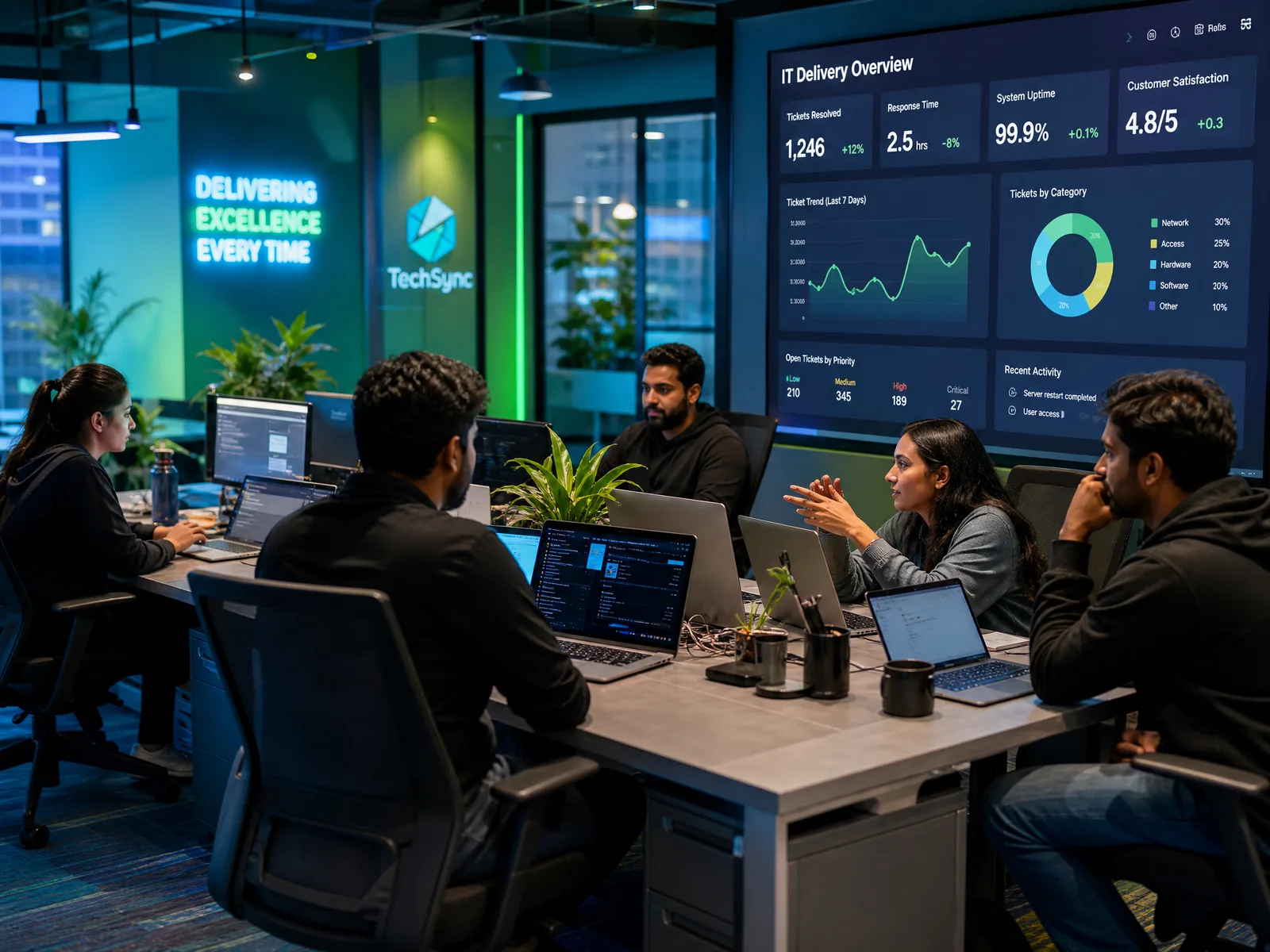
ค่าใช้จ่าย IT Outsourcing ในไทยเท่าไหร่? คู่มือราคาปี 2026
สรุปอัตราค่าบริการ IT Outsourcing และ Staff Augmentation ในประเทศไทยปี 2026 อย่างโปร่งใส ทั้งต้นทุนรายเดือนโดยประมาณตามบทบาทและระดับประสบการณ์ รูปแบบสัญญาแต่ละแบบคิดราคาอย่างไร และเทียบกับการจ้างทีมภายใน
เริ่มต้นการสนทนาเชิงกลยุทธ์ด้านเทคโนโลยี
ร่วมงานกับ ที เอ็ม อี เอส เพื่อออกแบบโปรแกรมการเปลี่ยนผ่านที่ปรับขนาดได้ ผสานการให้คำปรึกษา การติดตั้งแพลตฟอร์ม และบริการดูแลระบบเข้าด้วยกัน