

Retail Technology
อนาคตของสถาปัตยกรรม Omnichannel Retail

สรุปสำหรับผู้บริหาร
ค้าปลีก Omnichannel ไม่ใช่แค่การมี Website และ App บนมือถือ มันคือความสามารถในการส่งมอบประสบการณ์ลูกค้าที่สม่ำเสมอ เป็นส่วนตัว และไร้รอยต่อ ไม่ว่าลูกค้าจะซื้อทางออนไลน์, ในร้าน, ผ่านโซเชียลมีเดีย หรือผสมผสานช่องทางทั้งหมดเหล่านี้ในการเดินทางซื้อครั้งเดียว
สำหรับผู้ค้าปลีกในเอเชียตะวันออกเฉียงใต้ ความจำเป็นนี้มีความเร่งด่วนอย่างยิ่ง ผู้บริโภคในภูมิภาคมีการนำ Mobile Commerce สูงและใช้ช่องทาง Digital กันอย่างแพร่หลาย
ความท้าทายด้านสถาปัตยกรรม Omnichannel
สถาปัตยกรรม Retail แบบเดิมไม่ได้สร้างขึ้นสำหรับ Omnichannel ที่แท้จริง โดยทั่วไปมีลักษณะ:
- ข้อมูลลูกค้าที่แยกส่วน — โปรไฟล์ลูกค้า ประวัติการซื้อ และข้อมูล Loyalty มักอยู่ในระบบแยกกันต่อช่องทาง
- การจัดการ Inventory ที่ไม่เชื่อมต่อ — Inventory ไม่ได้มองเห็นได้แบบ Real-Time ทุกช่องทาง
- ความไม่สม่ำเสมอของราคาและโปรโมชัน — โปรโมชันที่แตกต่างกันในช่องทางต่างๆ
หลักการสถาปัตยกรรม Unified Commerce
ผู้ค้าปลีกชั้นนำกำลังเคลื่อนออกจาก Omnichannel (ช่องทางหลายช่องที่ประสานงานกัน) ไปสู่ Unified Commerce (แพลตฟอร์มเดียวที่รองรับทุกช่องทาง)
Single Customer Profile
รากฐานของสถาปัตยกรรม Omnichannel ที่แท้จริงคือ Unified Customer Profile ที่ผสาน: ข้อมูลประชากร, ประวัติการซื้อทุกช่องทาง, สถานะ Loyalty, ข้อมูลชม/ค้นหา และ Communication Preference
Real-Time Inventory Visibility
Inventory สามารถมองเห็นได้แบบ Real-Time ทุกช่องทาง ทำให้ลูกค้าสามารถ: เช็ค Stock Online ก่อนไปที่ร้าน, สั่ง Online รับที่ร้าน, ส่งจากร้านเมื่อ Fulfilment Centre หมด Stock
Centralised Order Management
Order Management System กลางประสานงาน Order ทุกช่องทาง: Online, In-Store, Click-and-Collect, Returns
เทคโนโลยีสำคัญ
Cloud-Native POS Platforms เปิดใช้งาน Omnichannel Commerce ด้วยการทำงานบน Standard Hardware (Android tablet, iPad) พร้อม Real-Time Integration กับระบบส่วนกลาง แทนที่จะ Lock Data ในหน่วยเก็บข้อมูลในร้าน
Headless Commerce Architecture แยก Frontend Presentation (Web, Mobile, In-Store Kiosk) ออกจาก Backend Commerce Logic เพื่อให้ประสบการณ์ลูกค้า Consistent ทุกช่องทาง
คำแนะนำเชิงกลยุทธ์
เริ่มจาก Customer Data Foundation ก่อนลงทุนในเทคโนโลยีช่องทาง ให้แก้ปัญหา Customer Data — สร้าง Single Customer Identity ที่รวบรวม Data จากทุก Touchpoint
Prioritise Use Case ที่มี Business Impact ชัดเจน "Click and Collect" มักให้ ROI ที่เร็วที่สุดสำหรับ Omnichannel Investment
TMES สนับสนุน Omnichannel Retail อย่างไร
TMES สร้างและส่งมอบ Retail Technology Solutions ที่เปิดใช้งาน Omnichannel Commerce รวมถึง Hybrid POS Platform และ Retail CRM สำหรับ Enterprise ระดับภูมิภาค
ติดต่อ TMES Retail Practice ที่ sales@tmes.co.th
ที่เกี่ยวข้อง
อ่านต่อ
 Retail Technology
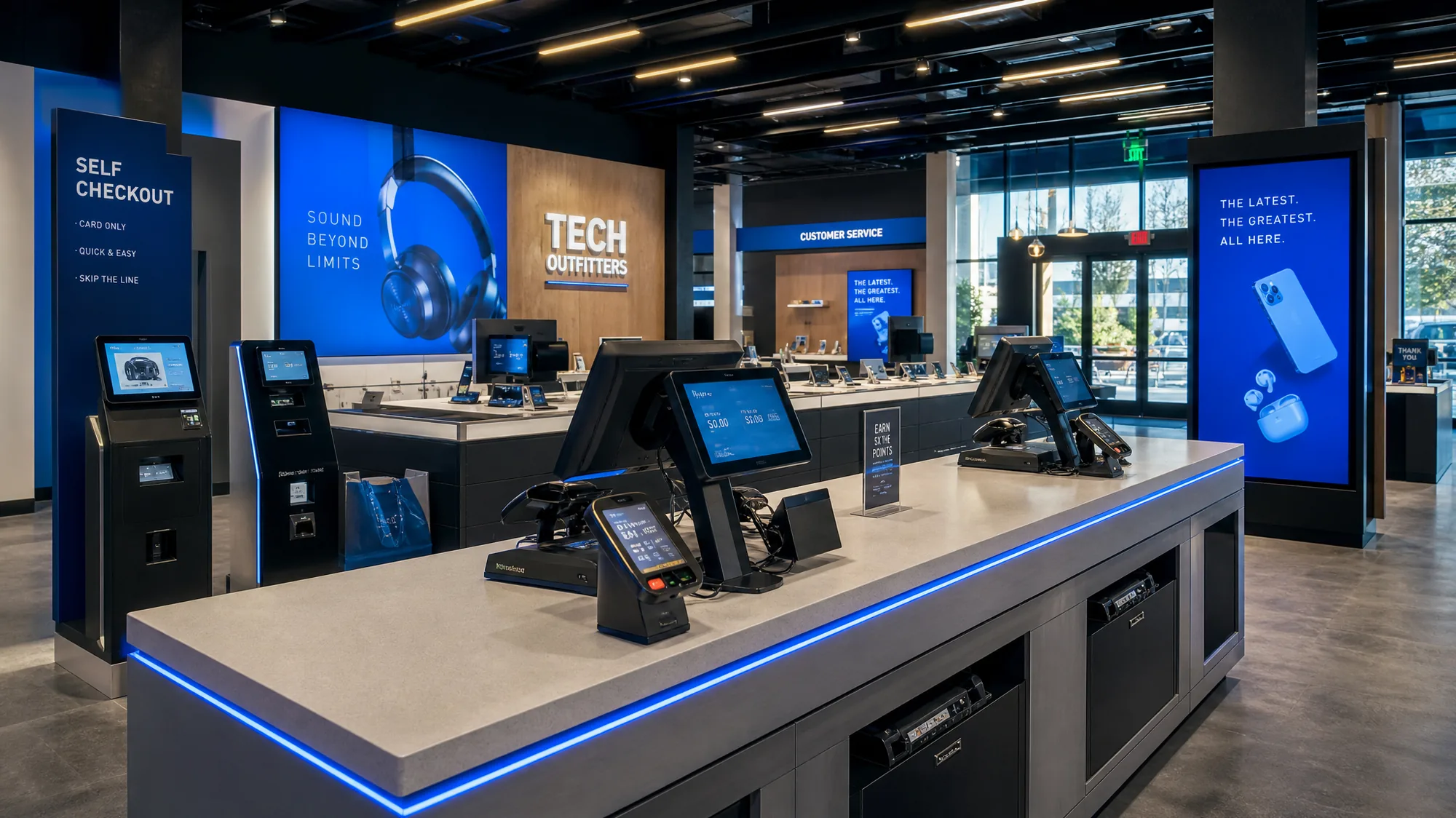
การเปลี่ยนผ่านระบบ POS ค้าปลีกในไทย: คู่มือสำหรับเชนหลายสาขา
ระบบ POS แบบเดิมมักเป็นตัวจำกัดความเร็วในการเติบโตของเชนค้าปลีกและร้านอาหารในไทยอย่างเงียบ ๆ คู่มือนี้อธิบายว่าการเปลี่ยนผ่าน POS ค้าปลีกสมัยใหม่คืออะไร ข้อกำหนดเฉพาะของไทยที่สำคัญ และวิธีย้ายระบบข้ามหลายสาขาโดยไม่กระทบการค้าขาย
 Retail Technology
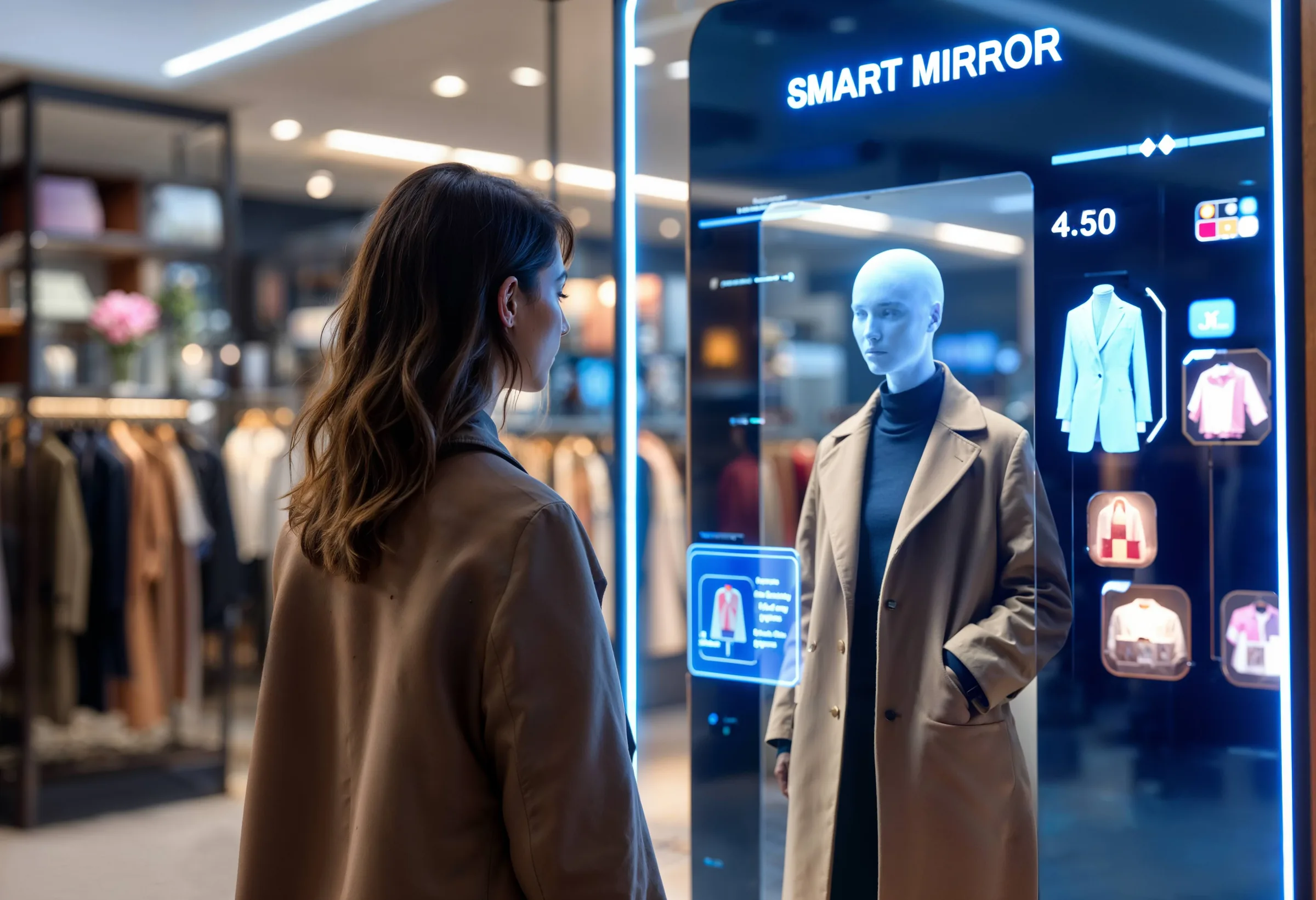
AI-Powered Retail: เปลี่ยนโฉมประสบการณ์ลูกค้าและการดำเนินงานค้าปลีก
AI ไม่ใช่แค่การพิจารณาในอนาคตสำหรับผู้ค้าปลีกอีกต่อไป — มันคือความจริงเชิงปฏิบัติการที่กำลังเปลี่ยนแปลงวิธีซื้อ ขาย พยากรณ์ และจัดส่งสินค้า องค์กรในภูมิภาคที่ก้าวไปก่อนจะกำหนดมาตรฐานการแข่งขันในทศวรรษหน้า
 Managed Services
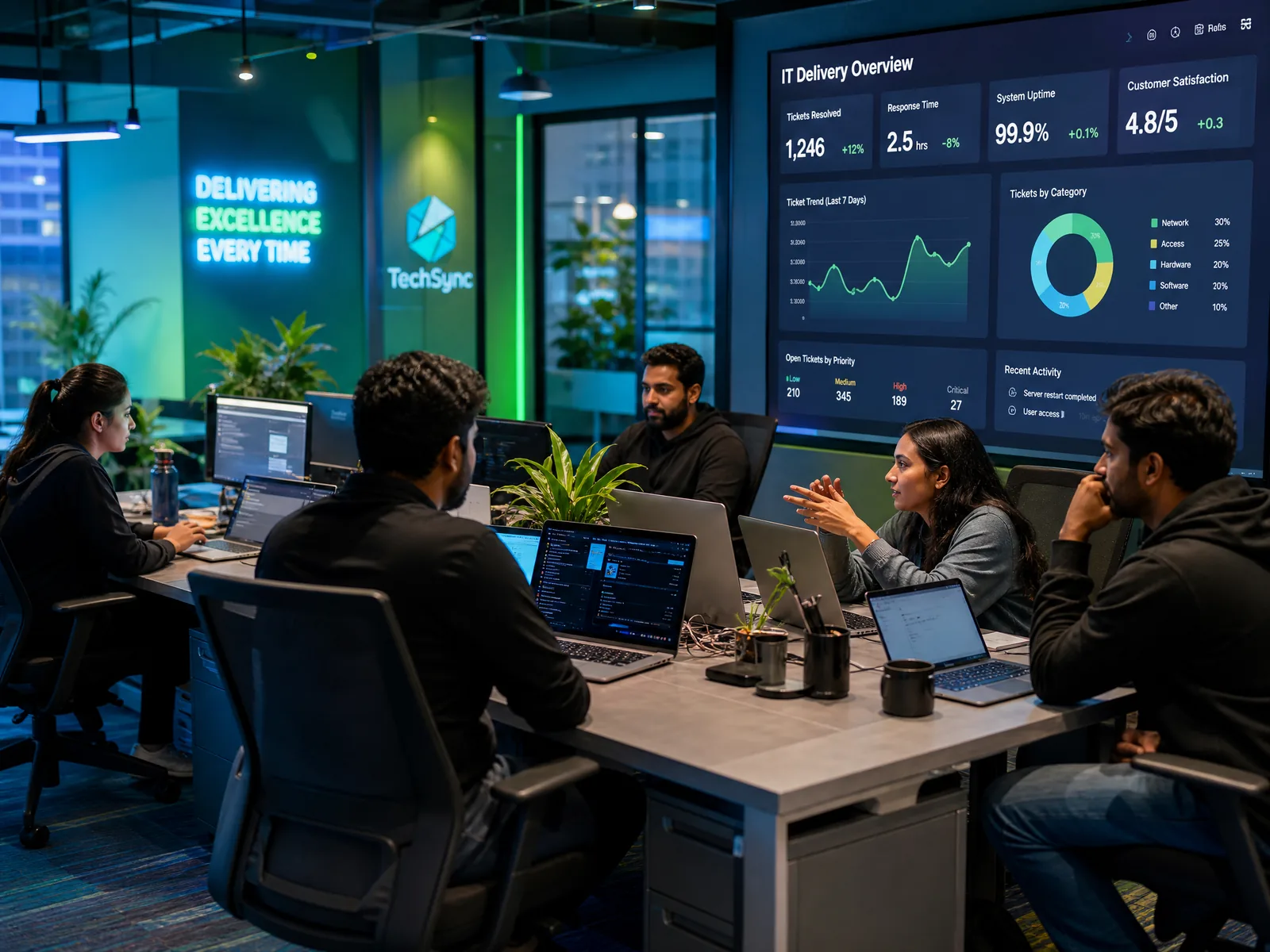
ค่าใช้จ่าย IT Outsourcing ในไทยเท่าไหร่? คู่มือราคาปี 2026
สรุปอัตราค่าบริการ IT Outsourcing และ Staff Augmentation ในประเทศไทยปี 2026 อย่างโปร่งใส ทั้งต้นทุนรายเดือนโดยประมาณตามบทบาทและระดับประสบการณ์ รูปแบบสัญญาแต่ละแบบคิดราคาอย่างไร และเทียบกับการจ้างทีมภายใน
เริ่มต้นการสนทนาเชิงกลยุทธ์ด้านเทคโนโลยี
ร่วมงานกับ ที เอ็ม อี เอส เพื่อออกแบบโปรแกรมการเปลี่ยนผ่านที่ปรับขนาดได้ ผสานการให้คำปรึกษา การติดตั้งแพลตฟอร์ม และบริการดูแลระบบเข้าด้วยกัน