




Technology Delivery Teams
Support implementation, integration and rollout of enterprise platforms with experienced, domain-specialised delivery teams.
Solutions
Scale technology delivery and IT operations with structured Managed IT and Outsourcing Solutions. TMES enables organisations to strengthen delivery capacity, improve operational stability and accelerate digital initiatives through flexible workforce and managed operations models.
TMES Managed IT and Outsourcing solutions give organisations the flexibility to scale technology delivery and IT operations without the fixed cost and lead time of building internal capability from scratch.
Solution Overview
Whether you need specialised project delivery teams, ongoing managed IT operations or a hybrid model that combines both, TMES delivers structured, governed and outcome-focused managed services across enterprise and retail environments.
Limited internal IT resources to support transformation initiatives
Increasing complexity of managing multi-vendor technology environments
Need to scale delivery teams quickly across regions
Maintaining operational stability while driving innovation

Operating Model
Solution Components
Support implementation, integration and rollout of enterprise platforms with experienced, domain-specialised delivery teams.
Provide structured monitoring, incident management and system optimisation with clear SLA commitments and governance transparency.
Combine onsite, remote and regional delivery teams for flexible scaling across geographies and project phases.
Ensure predictable delivery quality and operational transparency with structured governance reviews and performance reporting.
Adapt team capacity based on project lifecycle and business needs — scaling up during peak delivery and optimising cost between phases.
Use Cases
 01
01Supplement internal teams with experienced delivery resources for large-scale ERP or POS rollouts across multiple branches or countries.
 02
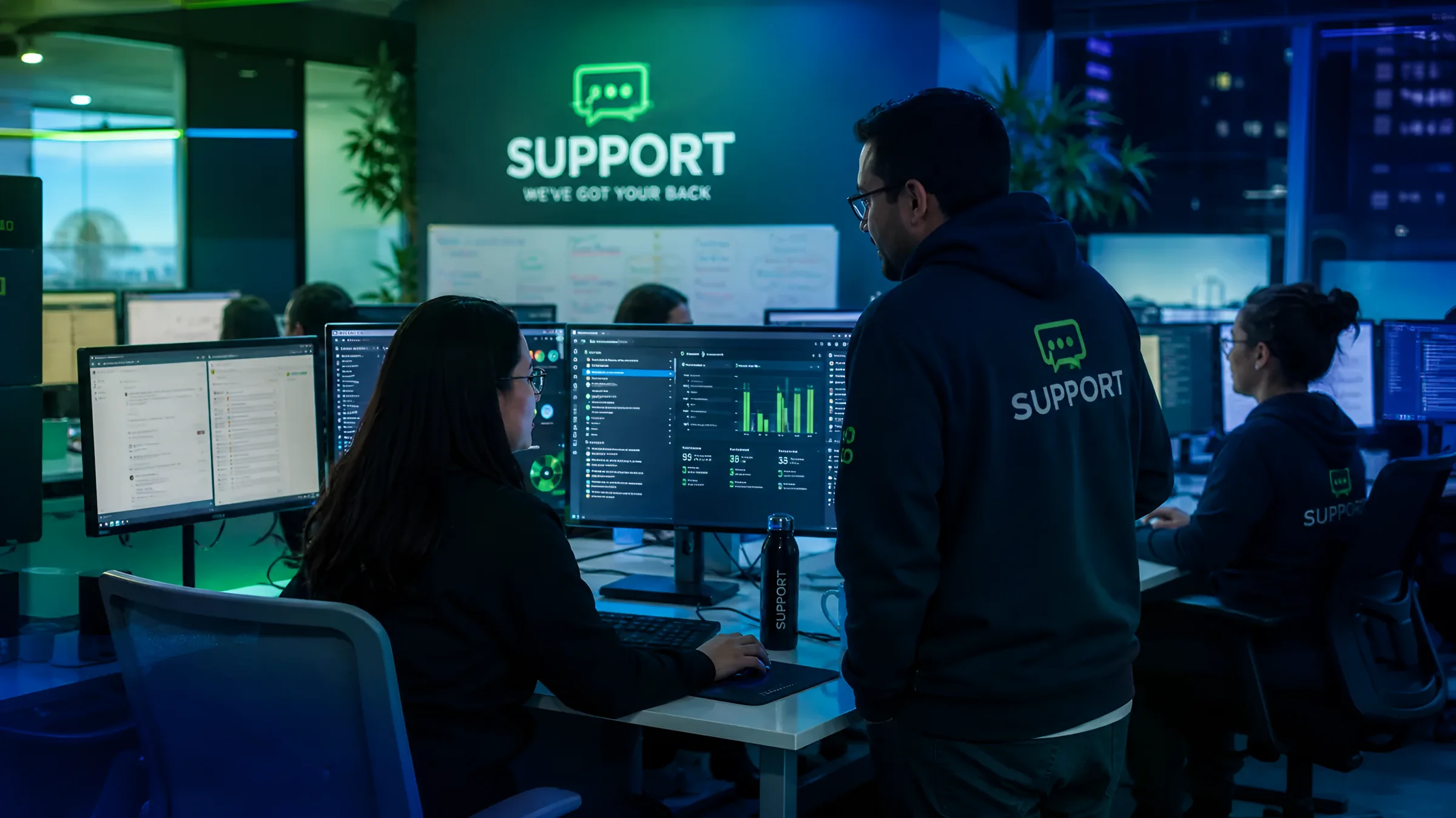
02Extend IT support coverage across Southeast Asian markets with regional support teams operating under a consistent governance framework.
 03
03Provide specialised data engineering and platform delivery capability to accelerate data warehouse, pipeline and analytics implementation.
 04
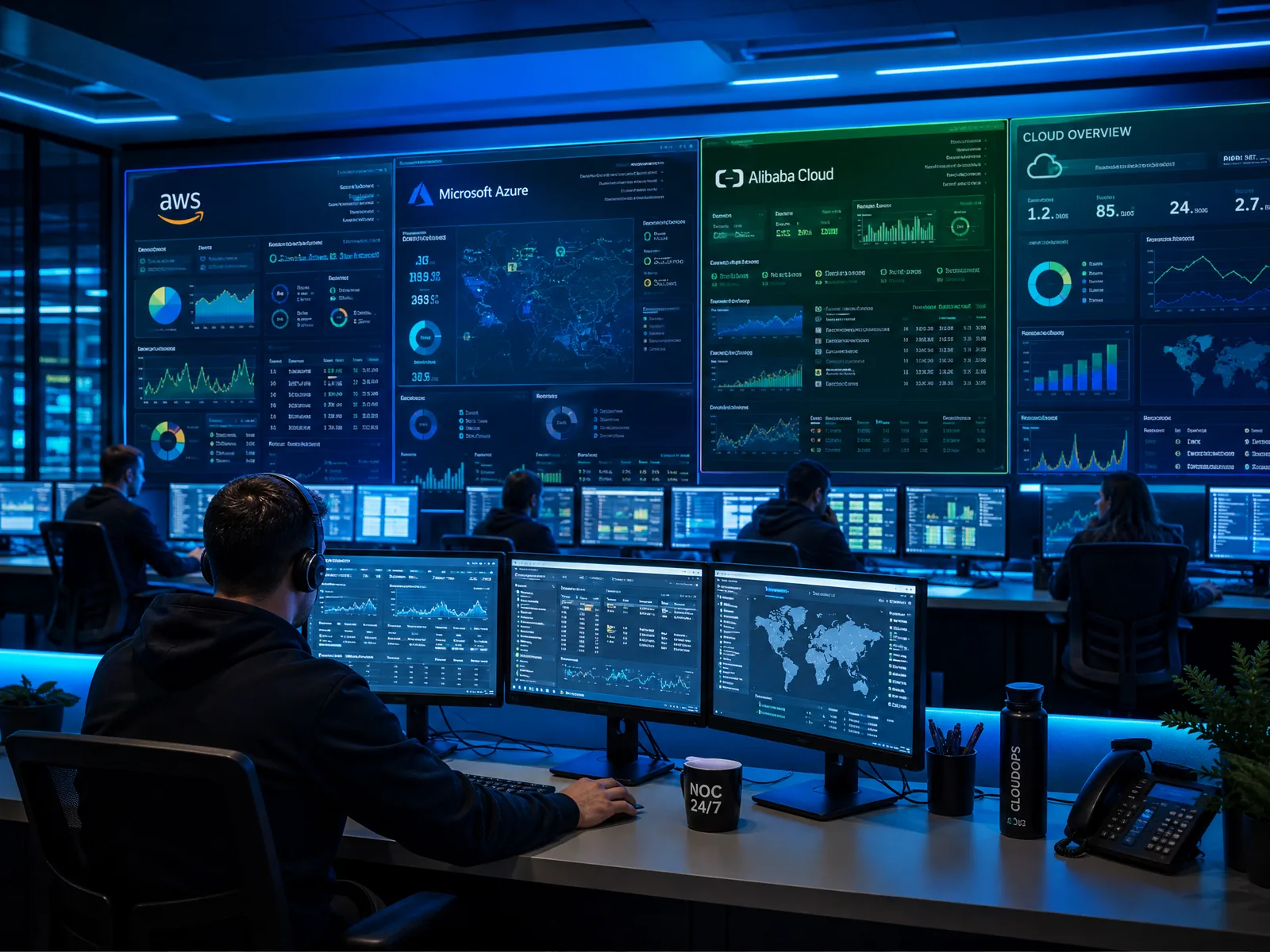
04Operate and manage cloud infrastructure environments while enabling internal teams to focus on business-facing digital transformation.
Why TMES
Experienced delivery teams with strong domain knowledge across retail, F&B, financial services and enterprise IT — not generalist IT staffing.
Project-based, subscription and outcome-based commercial models that align TMES delivery incentives with client business objectives.
Established delivery and support capability across Southeast Asia — enabling consistent technology operations across borders.
TMES approaches managed IT with a platform and transformation perspective — not just reactive support — driving continuous improvement over time.
Industry Insights
The case for proactive, outsourced operations.
How we work
A transparent, structured process ensures every issue is handled at the right tier, resolved efficiently and fully documented, so nothing falls through the cracks.
The user or 1st-tier support raises a ticket with a severity. Basic troubleshooting is tried and the first information gathered.
The 2nd-tier team reviews the ticket. If the information is not enough, they work with the user to gather more before going on.
2nd-tier engineers check the knowledge base and resolve the issue. Every successful fix is recorded for next time.
Issues the 2nd tier cannot resolve go to specialist 3rd-tier engineers or principal and vendor support for deep investigation.
The fix goes back to the user to confirm. If the issue persists it returns to the resolution loop.
Once the user confirms, the ticket is closed, the knowledge base updated and the client notified.
Trusted by









































FAQ
Managed IT services typically mean TMES runs specific ongoing operations — monitoring, support, incident response — under an SLA, while IT outsourcing can extend further to delivery teams, project resources or fuller IT function ownership. TMES offers both, plus hybrid models that combine them.
Cost depends on scope — a dedicated L1 service desk, a hybrid onsite/remote support team, and full project delivery capacity all price differently. TMES structures engagements around governed SLAs and flexible team scaling rather than a single fixed rate, so cost is set per engagement after a scoping conversation. For an indicative figure, the TMES IT Outsourcing Cost Calculator estimates the monthly cost of an outsourced team versus hiring in-house, based on current Thailand market rates.
Outsourcing avoids the fixed cost, hiring lead time and management overhead of building an internal team from scratch, and lets you scale capacity up or down by project phase. For steady-state operations at very large scale, in-house can become more cost-effective, which is why many TMES clients use a hybrid model instead of an all-or-nothing choice.
A three-tier support framework (L1 service desk, L2 platform/application support, L3 specialist engineering) with 24/7 monitoring, incident response and escalation, and monthly SLA reviews covering cost and performance reporting.
IT staff augmentation means adding skilled TMES engineers to your existing team, under your direction, to close a specific capability or capacity gap — without the fixed cost and hiring lead time of permanent recruitment. It suits project peaks, specialist skills you need only temporarily, or scaling a team up and down by phase, and can be combined with fully managed operations in a hybrid model.
Request a workforce strategy workshop or speak with a delivery expert to explore how TMES can extend your IT capacity and operational stability.