

Low-Code
กลยุทธ์ Application Modernisation ในยุค Low-Code
สรุปสำหรับผู้บริหาร
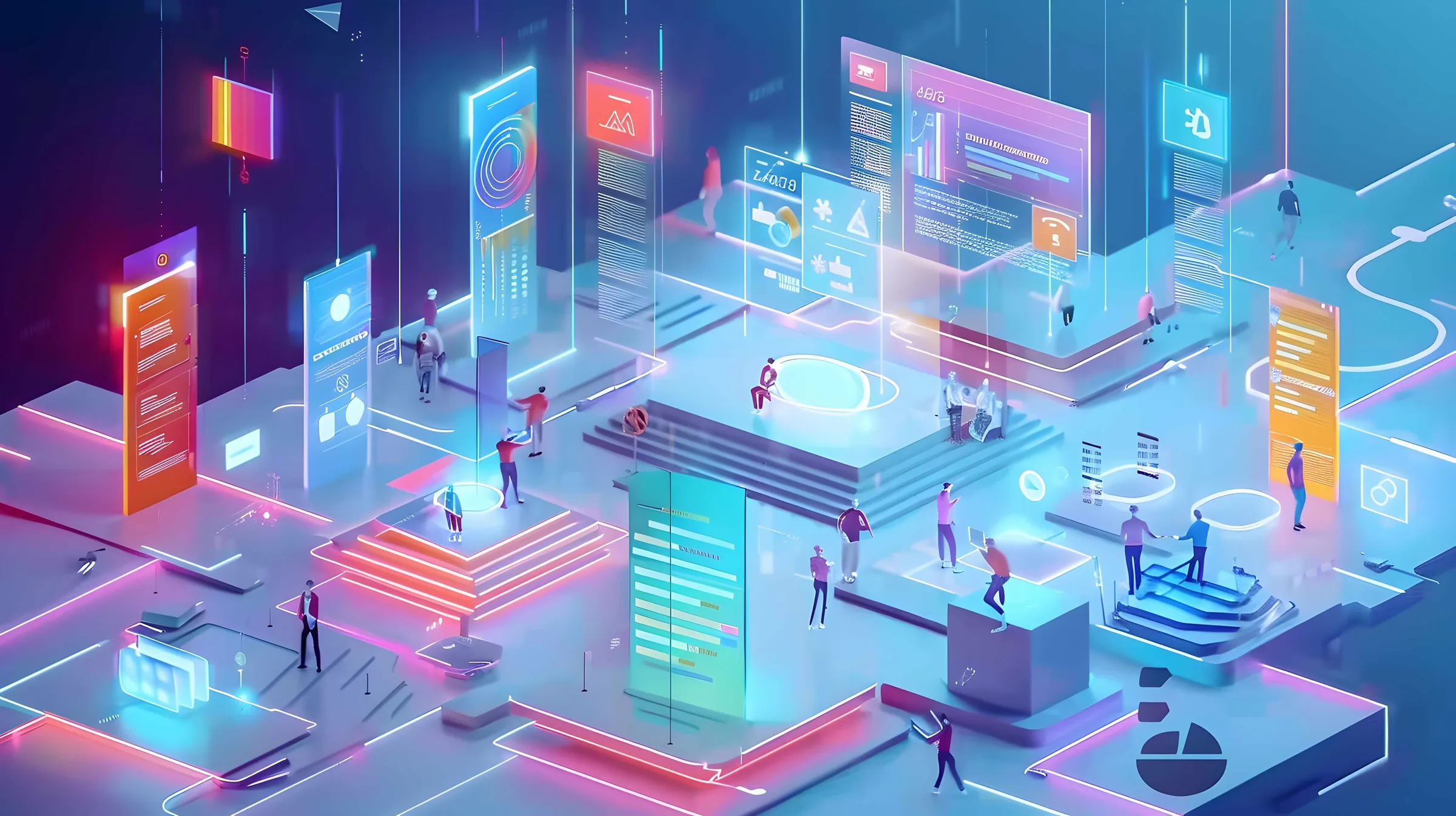
Legacy Application ยังคงเป็นอุปสรรคสำคัญต่อความสามารถในการแข่งขันทางดิจิทัลสำหรับองค์กรจำนวนมาก เหล่านี้คือระบบที่กระบวนการธุรกิจวิกฤตพึ่งพา แต่ขัดขวางความสามารถในการเปลี่ยนแปลง ผสานกับแพลตฟอร์มสมัยใหม่ และตอบสนองต่อการเปลี่ยนแปลงของตลาดได้อย่างรวดเร็ว
แพลตฟอร์ม Low-Code ได้เกิดขึ้นเป็น Enabler ที่ทรงพลังสำหรับ Application Modernisation ช่วยลดต้นทุนและระยะเวลาของ Modernisation อย่างมีนัยสำคัญ ในขณะที่ลดความเสี่ยงเมื่อเทียบกับโครงการ Custom Development ขนาดใหญ่
กรณีของ Application Modernisation
Legacy Application ขัดขวางความคล่องตัวของธุรกิจในหลายวิธีที่สำคัญ:
ต้นทุนการบำรุงรักษาสูง — Legacy System มักต้องการเวลา IT Engineering ไม่สมส่วนเพียงเพื่อให้ทำงานต่อไป ปล่อยให้มีความสามารถน้อยกว่าสำหรับงานมูลค่าเพิ่ม
การผสาน Digital Platform ที่จำกัด — Application ที่สร้างก่อนยุค API และ Cloud มักไม่สามารถผสานกับ Platform E-Commerce, CRM, Data และ Mobile สมัยใหม่ได้หากไม่มี Custom Middleware ราคาแพง
ไม่สามารถรองรับ User Experience สมัยใหม่ — ผู้ใช้ — ทั้งลูกค้าและพนักงาน — คาดหวัง Interface ที่ใช้งานง่าย ตอบสนองบนมือถือ และปรับตัวกับพฤติกรรมของตน Legacy Application ที่ออกแบบสำหรับยุคก่อน Mobile ไม่สามารถส่งมอบประสบการณ์เหล่านั้นได้
ความเปราะบางด้านความสามารถ — ความรู้ในการดูแลรักษา Legacy System มักรวมอยู่ในพนักงานที่มีอายุน้อยซึ่งกำลังเกษียณ เมื่อพนักงานเหล่านั้นออกไป เฉพาะความรู้ด้านสถาปัตยกรรมก็ออกไปด้วย
Low-Code ในฐานะ Modernisation Accelerator
แพลตฟอร์ม Low-Code เปลี่ยนเศรษฐศาสตร์ของ Application Modernisation ด้วยการลดความพยายามในการพัฒนาที่จำเป็น การย่นระยะเวลาการส่งมอบ และเปิดโอกาสให้บุคลากรที่มีทักษะ Low-Code แทนที่ Developer วิศวกรรมระดับสูง
Strangler Fig Pattern ด้วย Low-Code
รูปแบบที่มีประสิทธิภาพที่สุดสำหรับ Low-Code Modernisation มักเป็น Strangler Fig — ที่ Application ใหม่สร้างขึ้นรอบๆ Application เดิม โดยแทนที่ Capability ทีละชิ้นจนไม่มีอะไรของ Application เดิมที่ยังคงอยู่ วิธีการนี้ลดความเสี่ยงโดยรักษา Business Continuity ตลอดทั้ง Transition
Rapid Capability Replacement
สำหรับ Legacy Application ด้วย Architecture ที่ชัดเจน ฟังก์ชันเฉพาะสามารถแทนที่ด้วยโมดูล Low-Code ได้อย่างรวดเร็ว ตัวอย่างเช่น Legacy Case Management System ที่ใช้งานได้แต่ขาด UI สมัยใหม่ สามารถมีเลเยอร์ User-Facing ใหม่สร้างใน Low-Code ที่ผสานกับ Data Layer ที่มีอยู่
กลยุทธ์การเลือก Low-Code Platform
ไม่ใช่ Low-Code Platform ทั้งหมดที่เท่ากัน และการเลือกแพลตฟอร์มที่ถูกต้องสำหรับเป้าหมาย Modernisation เฉพาะของคุณเป็นสิ่งสำคัญ ปัจจัยที่ต้องพิจารณา:
- ระดับ Enterprise vs. Departmental — ความต้องการ Enterprise Governance, Scalability และ Security แตกต่างกันอย่างมีนัยสำคัญจากข้อกำหนดสำหรับ Departmental Tool ขนาดเล็ก
- ความสามารถในการผสาน — แพลตฟอร์ม Modernisation ต้องผสานกับ Ecosystem ของ Legacy System, Cloud Service และ Data Platform ที่มีอยู่
- Model Open vs. Closed — บางแพลตฟอร์มสร้าง Lock-in โดยเก็บทรัพย์สิน Application ที่เป็นกรรมสิทธิ์ แพลตฟอร์มอื่นรองรับ Standard Open Export ที่ให้ Portability ระยะยาวมากกว่า
คำแนะนำเชิงกลยุทธ์
เริ่มด้วยการประเมิน Portfolio ก่อนสร้าง Modernisation Roadmap สร้างมุมมองที่ชัดเจนของ Application Portfolio ที่มีอยู่ โดย Map ต้นทุนการบำรุงรักษา ความสำคัญต่อธุรกิจ ข้อจำกัดทางเทคนิค และการพึ่งพา
ลงทุนในการฝึกอบรมและ Enablement Low-Code Modernisation ต้องการ Developer ที่สามารถทำงานกับแพลตฟอร์มอย่างมีประสิทธิภาพ ลงทุนในการฝึกอบรมที่มีโครงสร้างสำหรับทั้งนักพัฒนาที่มีอยู่และ Citizen Developer ที่มีศักยภาพ
TMES สนับสนุน Application Modernisation อย่างไร
TMES มีประสบการณ์หลายปีในการส่งมอบ Application Modernisation โครงการให้กับ Enterprise ทั่วเอเชียตะวันออกเฉียงใต้ โดยใช้ Mendix เป็น Enterprise Low-Code Platform หลัก
ติดต่อ TMES Application Practice ที่ sales@tmes.co.th
ที่เกี่ยวข้อง
อ่านต่อ
 Low-Code
AI และ Low-Code: พรมแดนใหม่ของการพัฒนาแอปพลิเคชันองค์กร
การบรรจบกันของ AI และแพลตฟอร์ม Low-Code กำลังเปลี่ยนโฉมสิ่งที่ทีมพัฒนาองค์กรสามารถสร้างได้ ความเร็วในการสร้าง และผู้ที่มีส่วนร่วม องค์กรที่เข้าใจการบรรจบกันนี้จะมีข้อได้เปรียบด้านผลผลิตที่ยั่งยืน
 Managed Services
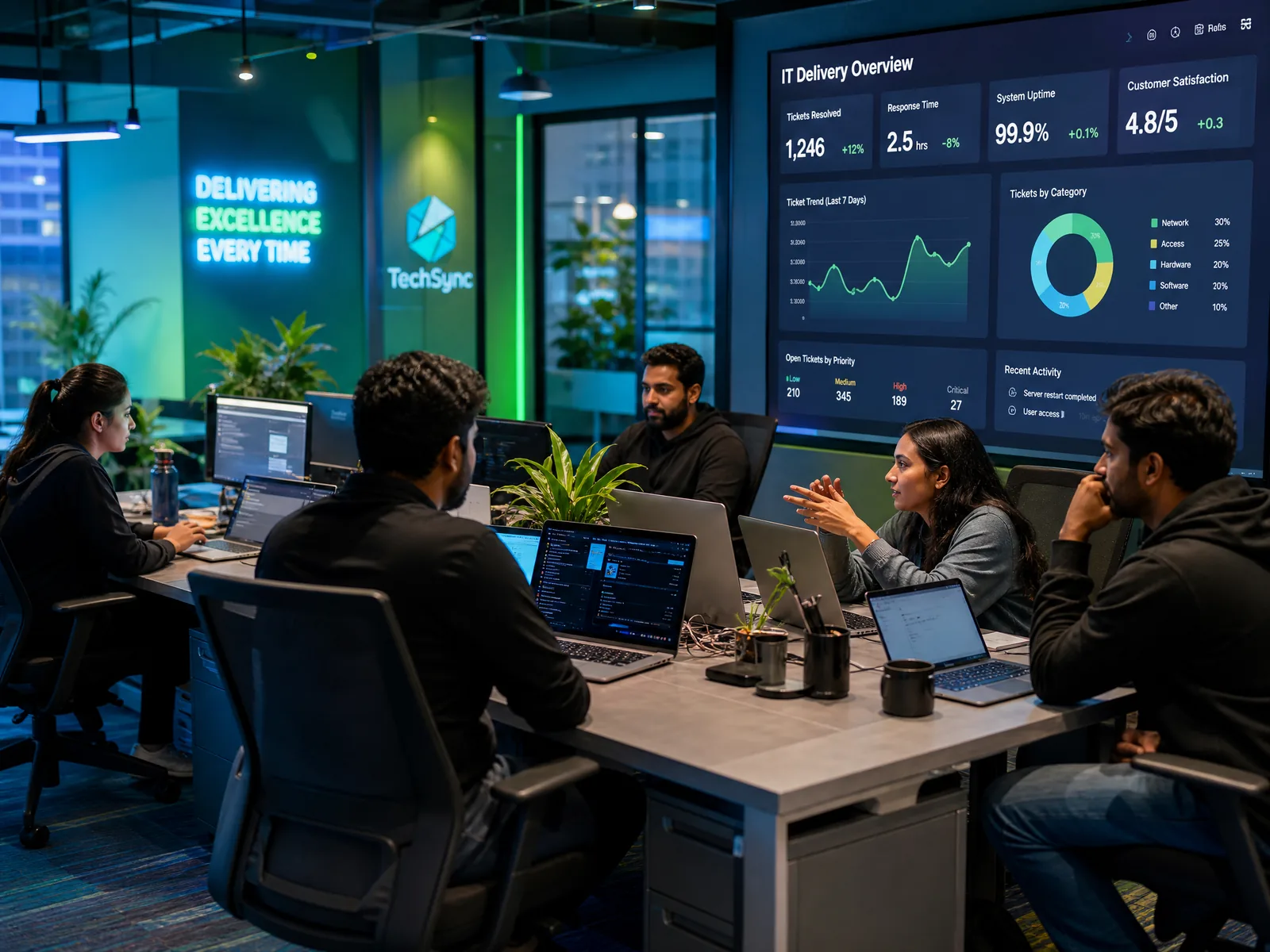
ค่าใช้จ่าย IT Outsourcing ในไทยเท่าไหร่? คู่มือราคาปี 2026
สรุปอัตราค่าบริการ IT Outsourcing และ Staff Augmentation ในประเทศไทยปี 2026 อย่างโปร่งใส ทั้งต้นทุนรายเดือนโดยประมาณตามบทบาทและระดับประสบการณ์ รูปแบบสัญญาแต่ละแบบคิดราคาอย่างไร และเทียบกับการจ้างทีมภายใน
 Retail Technology
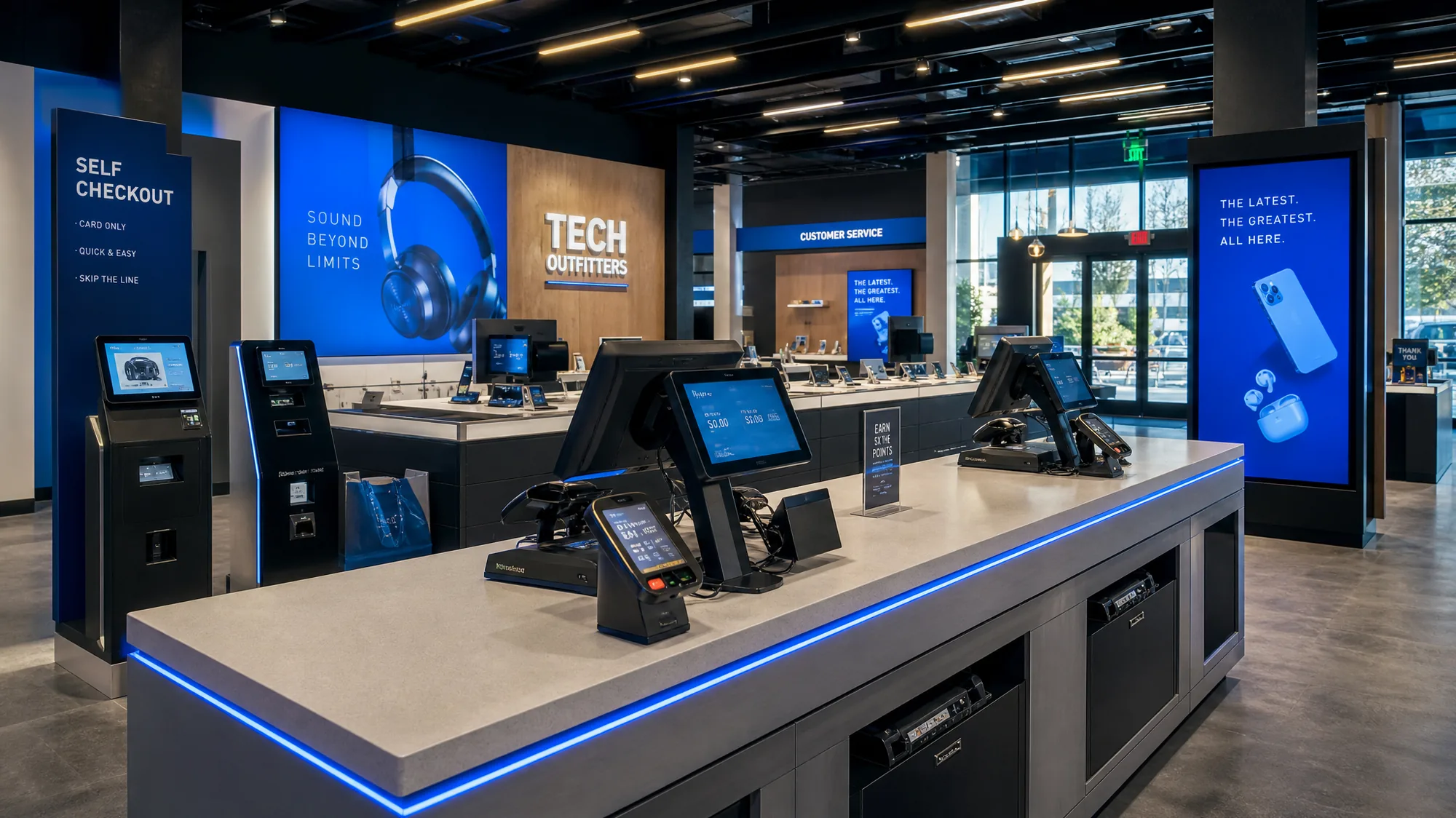
การเปลี่ยนผ่านระบบ POS ค้าปลีกในไทย: คู่มือสำหรับเชนหลายสาขา
ระบบ POS แบบเดิมมักเป็นตัวจำกัดความเร็วในการเติบโตของเชนค้าปลีกและร้านอาหารในไทยอย่างเงียบ ๆ คู่มือนี้อธิบายว่าการเปลี่ยนผ่าน POS ค้าปลีกสมัยใหม่คืออะไร ข้อกำหนดเฉพาะของไทยที่สำคัญ และวิธีย้ายระบบข้ามหลายสาขาโดยไม่กระทบการค้าขาย
เริ่มต้นการสนทนาเชิงกลยุทธ์ด้านเทคโนโลยี
ร่วมงานกับ ที เอ็ม อี เอส เพื่อออกแบบโปรแกรมการเปลี่ยนผ่านที่ปรับขนาดได้ ผสานการให้คำปรึกษา การติดตั้งแพลตฟอร์ม และบริการดูแลระบบเข้าด้วยกัน